Why Your Orlando Electric Bill Spikes: AC Efficiency Explained
Published: 2026-06-24 · By FrostGuard AC Repair Solutions
As an Orlando homeowner, you've likely experienced the unmistakable jolt when you open your electric bill during the sweltering summer months. The combination of high humidity and oppressive heat can lead to skyrocketing expenses, particularly if your air conditioning system is not operating efficiently. With the unique challenges of tropical storms and salty coastal air, it’s crucial to understand how these elements impact your AC performance and overall energy costs. This article delves into the factors that contribute to rising bills, offering insights tailored specifically for the Orlando climate.
Why This Matters for Orlando Homeowners
In Orlando, the subtropical climate creates a perfect storm for air conditioning systems. High humidity levels drive frequent use, causing wear and tear that lowers efficiency over time. Salt air poses an additional challenge, as it contributes to corrosion of vital components, resulting in diminished performance and higher energy consumption. Compounding these issues, many homes in the area are elevated, and without proper moisture barriers, systems may work harder to maintain comfort. As electric rates fluctuate, this combination can leave homeowners shocked by monthly costs.
Be aware that neglecting these issues not only impacts your energy bill but also the long-term viability of your HVAC system. Regular maintenance and timely repairs are essential, especially in this region where tropical storms can exacerbate problems. Homeowners must take a proactive approach to ensure their air conditioning systems remain efficient, especially in the face of environmental challenges.
Expert Solutions & Actionable Tips
1. 1. Optimize Thermostat Settings
Adjusting your thermostat by just a few degrees can yield significant savings. A recommended setting is around 78°F during the day. This small change can reduce your energy bill by approximately 5-10%, depending on your usage. Programming your thermostat to stay a bit warmer while you're out can also help reduce the load during peak hours.
2. 2. Invest in Regular Maintenance
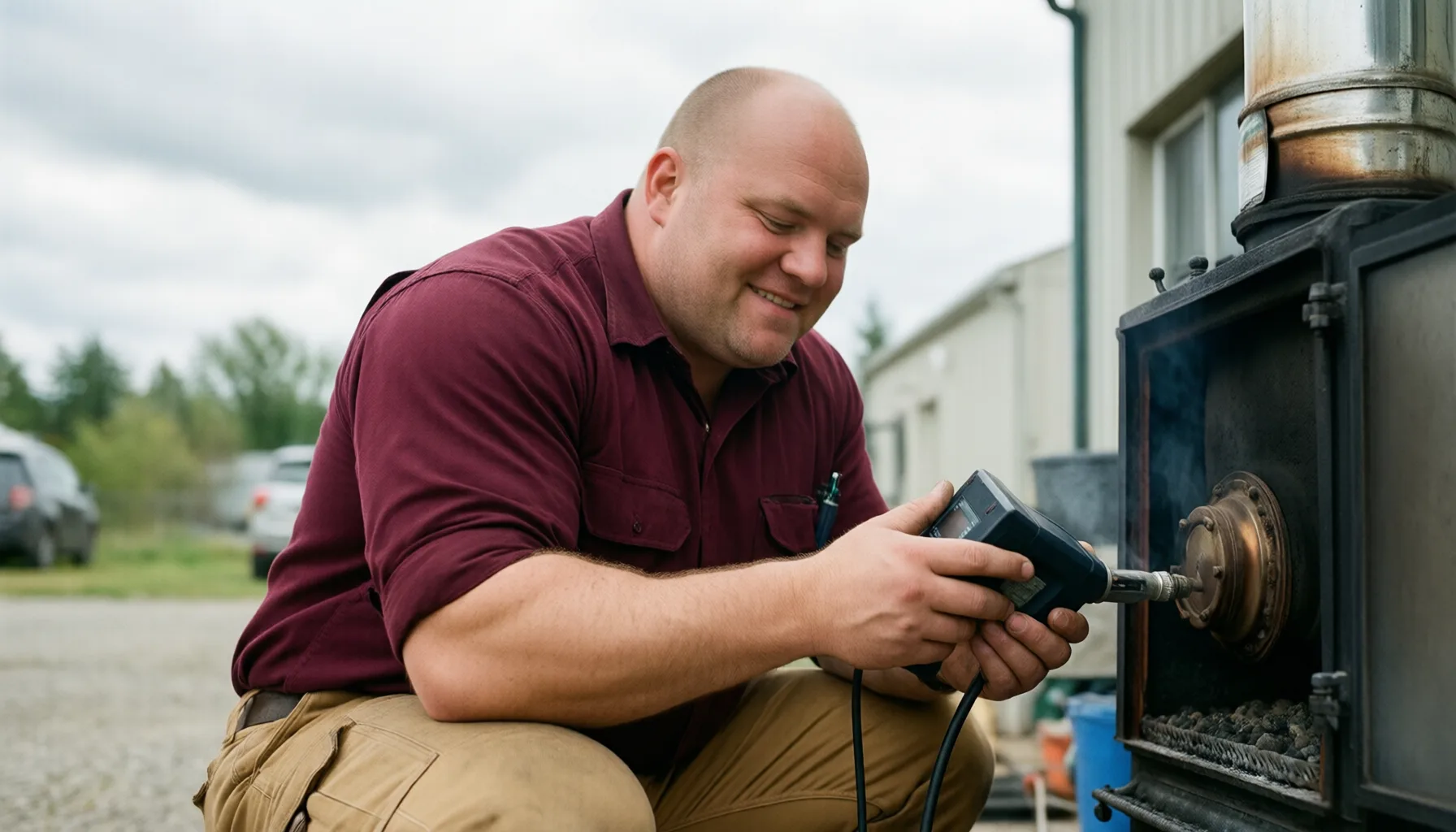
Scheduling annual maintenance with professionals can cost between $100 to $200. This investment is crucial for ensuring your system is running efficiently. A technician can identify minor issues before they escalate into costly repairs, ultimately keeping your system in top shape throughout Orlando’s brutal summers.
3. 3. Seal Ducts and Insulate
Leaky ducts can lead to energy losses of up to 30%. Sealing and insulating your ducts will cost anywhere from $300 to $1,500 but can drastically improve system efficiency. This step is vital in maintaining comfort, especially in elevated homes where air can seep into unconditioned spaces.
4. 4. Consider Energy-Efficient Upgrades
If your air conditioning unit is over ten years old, consider upgrading to a modern, energy-efficient model. While initial costs can range from $3,000 to $7,000, these units can reduce energy bills by up to 40%. The savings on your monthly electric bill could make a new system a financially sound decision.
5. 5. Utilize Ceiling Fans
Using ceiling fans can help circulate cool air, allowing you to raise your thermostat by about 4°F without sacrificing comfort. The cost of running a ceiling fan is minimal—just a few cents an hour—making it an easy and cost-effective way to enhance your air conditioning system’s efficiency while keeping humidity at bay.
6. 6. Monitor Your Usage
Being aware of your energy consumption can help identify spikes in your electric bill. Smart meters and energy monitoring devices can cost as little as $50, providing insights into peak usage times. Tracking your energy use can alert you to any unusual patterns, helping pinpoint possible inefficiencies in your AC’s operation.
Orlando Climate & Local Context
Orlando’s climate demands robust air conditioning systems capable of handling intense humidity and heat. Homes are often designed with elevated structures and moisture barriers to combat the damage from moisture while ensuring longevity. These design elements must be accounted for during air conditioning repairs, as neglecting these local codes can lead to inadequate performance and potential safety hazards.
The intense storms common in Florida can exacerbate existing HVAC issues; failing to address these can lead to both costly repairs and increased electric bills. Homeowners are encouraged to familiarize themselves with local codes regarding HVAC systems, which may dictate specific insulation or materials to optimize performance under the region’s unique environmental conditions.
When to Call a Professional
While some minor air conditioning issues can be addressed by homeowners, knowing when to call a professional is key. If your system is not cooling properly, leaking, or making unusual noises, it’s time to seek help. Attempting DIY repairs in these instances can lead to further complications and increased costs.
- Unusual or persistent noises from the unit
- Water pooling around the system
- Foul odors when the system runs
- Inconsistent cooling throughout the home
- Visible signs of corrosion or damage to unit components
- Frequent cycling on and off
For serious issues, it’s advisable to consult with a professional who understands Orlando-specific factors affecting AC systems.
Frequently Asked Questions
What is the average cost of AC repair in Orlando?
AC repair costs in Orlando typically range from $150 to $500, depending on the severity of the issue and the required parts. Regular maintenance can help keep these costs down.
How can I prevent corrosion from salt air?
Regular maintenance and using anti-corrosion coatings can help protect your air conditioning system from the damaging effects of salt air prevalent in Orlando. A professional can recommend appropriate solutions based on your unit's needs.
When should I replace my air conditioning unit?
If your system requires frequent repairs or is over a decade old, it may be more cost-effective to replace it. A newer model will typically provide better energy efficiency and reliability.
Can humidity affect my AC unit’s performance?
Yes, high humidity can strain your air conditioning system. Effective dehumidification is essential for maintaining comfort and reducing energy consumption in Orlando’s climate.
What signs indicate that I need to call a professional?
Common signs include inconsistencies in cooling, strange noises, and the presence of water pooling near the unit. These issues often indicate a need for professional evaluation to avoid further damage.
Get Expert Air Conditioning Repair Service in Orlando
Understanding your air conditioning system's efficiency and how it relates to your electric bill is vital for any Orlando homeowner. For tailored solutions and professional assistance, reach out to FrostGuard AC Repair Solutions. Our team is prepared to help you improve your system's performance.
Don’t let rising bills worry you—call (407) 917-9340 today to schedule an appointment and ensure your home remains comfortable year-round.